



Foil Packaging versus Cartridges
09.02.2026
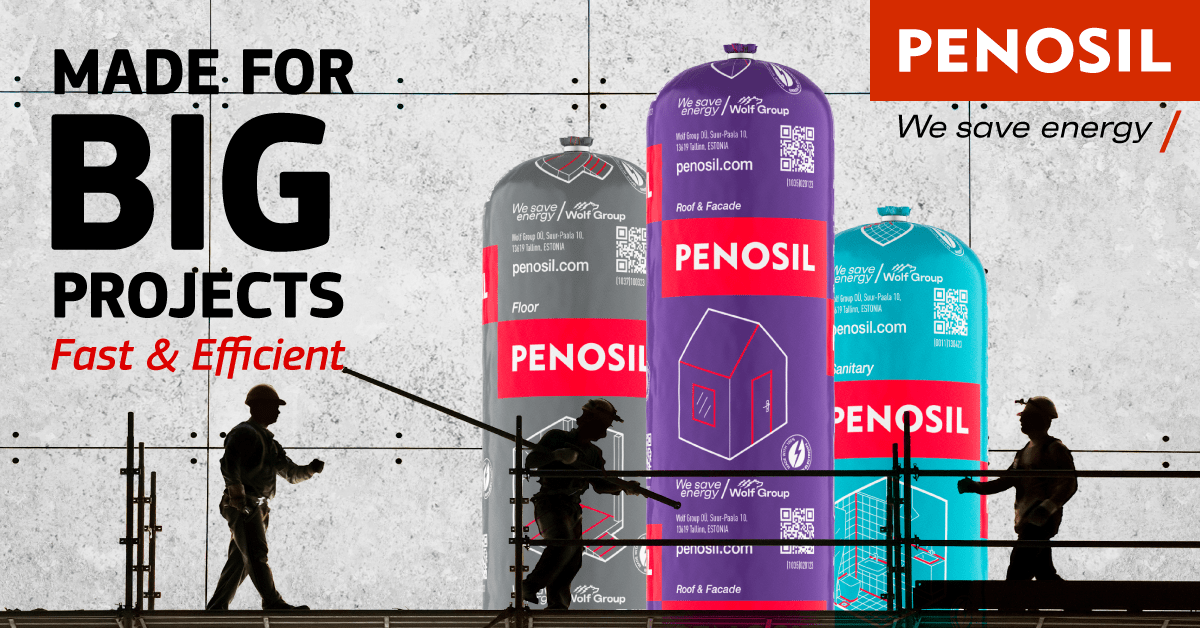
For many years, plastic cartridges have been the standard packaging type for sealants and adhesives. Many professional builders and DIY users already own traditional cartridge guns and are accustomed to use them. However, times are changing and so are the tools of the trade. Nowadays, there are alternative packaging options available to cartridges that are also worth considering.
One such alternative is foil packaging; a modern, efficient, and more environmentally friendly packaging option that is rapidly gaining popularity among professionals, especially those working on large-scale projects. Let’s take a closer look at the key differences between these packaging types so you can choose the right option for your needs.
Cartridges: Tried and Trusted
A cartridge is a rigid plastic cylinder filled with sealant or adhesive. It comes with a plastic plunger at the base of the cartridge that keeps the product in place and pushes it upwards out of the cartridge. The plunger is also the most critical part of a cartridge. On some occasions, when exposed to high pressure during use, the plunger can tilt or become deformed, leading to product leaking from the rear of the cartridge. This not only causes product waste but also results in a messy application.
Before first use, cut off the plastic tip on top of the cartridge. Screw on the plastic nozzle. Then cut an opening to the nozzle tip at a 45° angle which is slightly larger than the joint to be sealed. Place the cartridge onto a sealant gun. Then, apply the sealant by keeping an even pressure at the gun trigger and smoothly dragging the nozzle along the joint.
There are cartridges with different wall thicknesses. Most high-performance products come in thick-walled cartridges for improved durability and shelf life. A standard plastic cartridge typically holds 290 to 310 ml of sealant or adhesive and weigh around 55 to 60 g.
| Advantages | Disadvantages |
| Convenient for occasional use and small-scale projects | Generates considerable amount of plastic waste |
| Compatible with standard cartridge guns | Risk of failure under pressure (e.g. plunger breakage can cause cartridge to leak) |
| Can be reused many times for small-scale applications | Bulky packaging makes it difficult to dispose of in large volumes |
| Durable and damage-resistant packaging | Less efficient for large jobs; frequent cartridge changes needed |
Foil Packaging: The Professional’s Choice
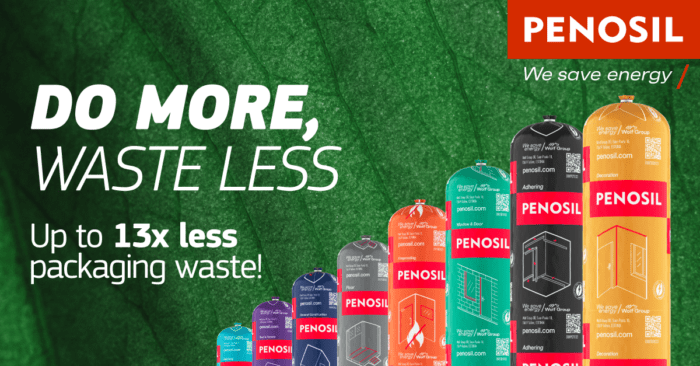
Also known as sausages, foil packs are soft tubes made of composite foil and sealed at both ends with metal clips. While not as rigid as cartridges, they are much lighter, weighing approximately 8 g and taking up to 13 times less space in waste disposal.
Using a product in foil packaging is very similar to using a cartridge. The main difference lies in the product application tool. Products in foil packaging require a specialised gun designed for this type of packaging. Inside the foil pack gun there is a pushing mechanism that allows to use up almost all the product in the foil packaging, so that the product waste is almost non-existent.
| Advantages | Disadvantages |
| Ideal for high-volume or repetitive applications | Requires a specific foil pack gun |
| Lightweight packaging; approx. 8 g per product | Packaging is less durable than plastic cartridges |
| Generates significantly less waste; up to 13 times less than cartridges | When full, heavier to use than standard cartridge |
| Easier to transport, store, and dispose of; especially on large-scale projects | Less practical for small jobs; difficult to reseal once opened |
Key Considerations
- Usage frequency: Cartridges are ideal for occasional and small-scale use. Foil packaging is better for large-scale projects where less reloading is beneficial.
- Tool Compatibility: Cartridges work with standard caulking guns; foil packaging requires a special sausage gun.
- Environmental Impact: Foil packaging produces significantly less plastic waste.
- Storage: Foil packaging is more compact, both when full and empty, making logistics easier.
- Product waste: Foil packaging maximises product usage with minimal residual waste (nearly 100% of the product can be used).
Conclusion
If you are a professional builder who values efficiency, sustainability, and cost-effectiveness, foil packaging is the smart upgrade. Lighter to carry, cleaner to dispose of, and less plastic waste. For DIY enthusiasts or professionals working on smaller or occasional projects, plastic cartridges remain a convenient and accessible choice.