


Can you cut cured expanding foam?
14.10.2026
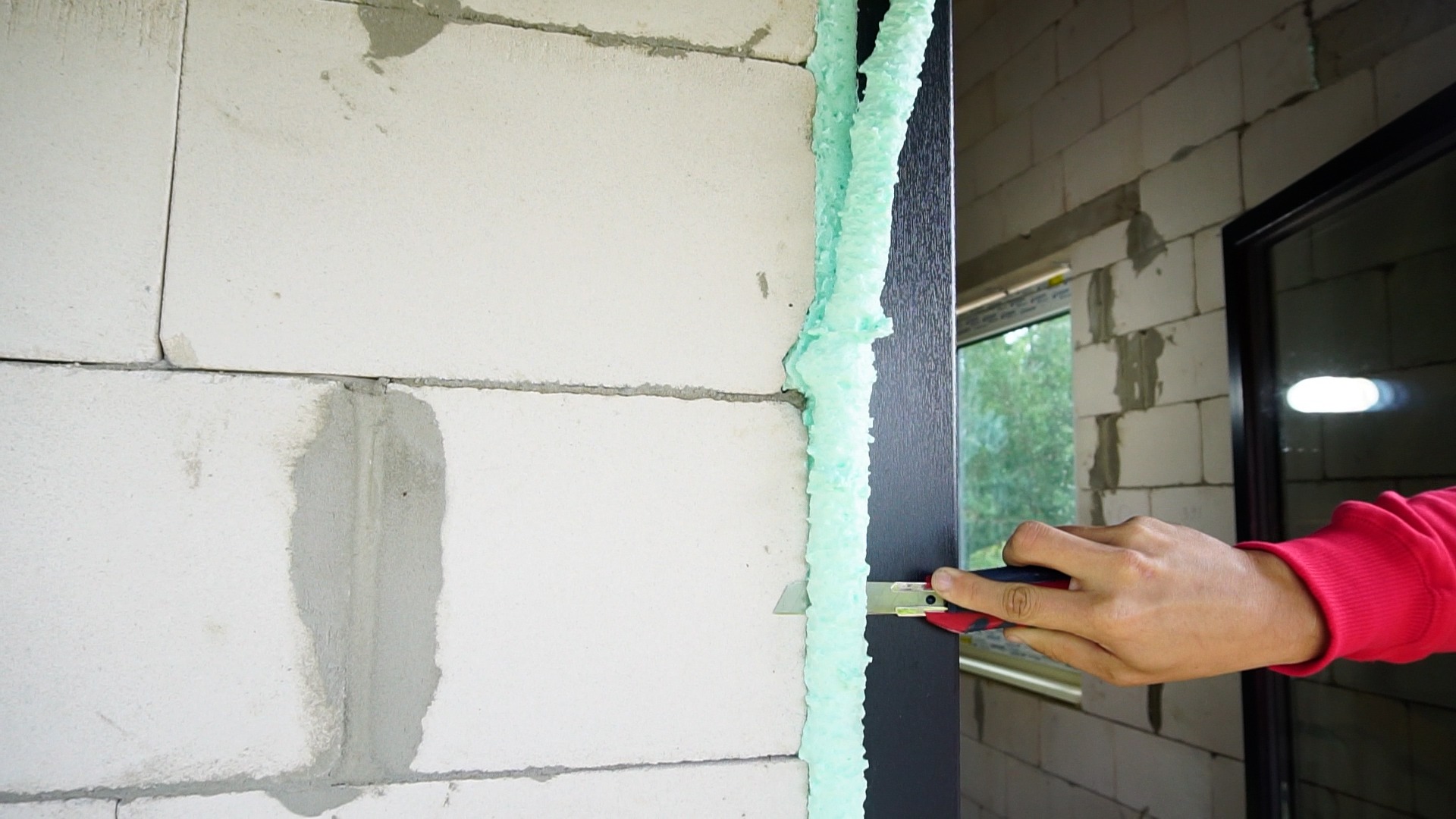
Polyurethane (PU) foam is a versatile and widely used sealing material in the construction industry. However, questions about its proper use remain common. One of the most frequently asked is whether hardened PU foam can be cut.
Can you cut cured expanding foam
Yes. Once fully cured, expanding polyurethane (PU) foam can be trimmed with a sharp knife to remove excess material and leave a neat finish. The key is to cut carefully without disturbing the foam remaining in the joint, then protect the exposed foam with a suitable finish or sealing system.
Allow the foam to cure before cutting
A dry surface does not necessarily mean the foam has cured throughout. Curing depends on the product, the size and depth of the joint, temperature and moisture conditions. Cold conditions can extend the time needed. Always follow the instructions and curing guidance in the technical data sheet for your PENOSIL foam.
Cutting too early can tear or disturb the foam structure. Wait until it has fully cured in the joint before trimming away the excess.
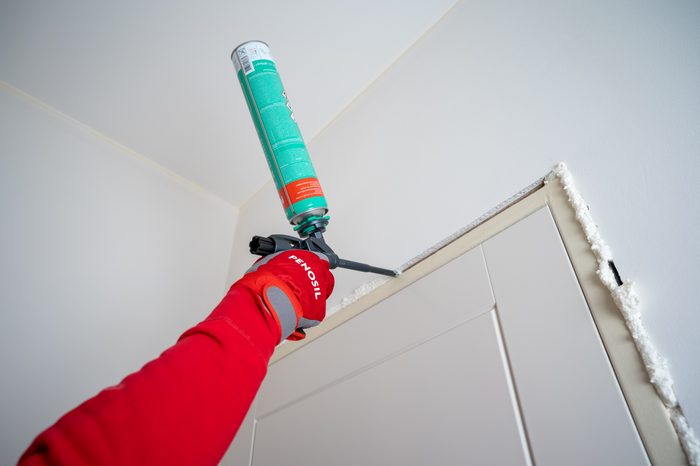
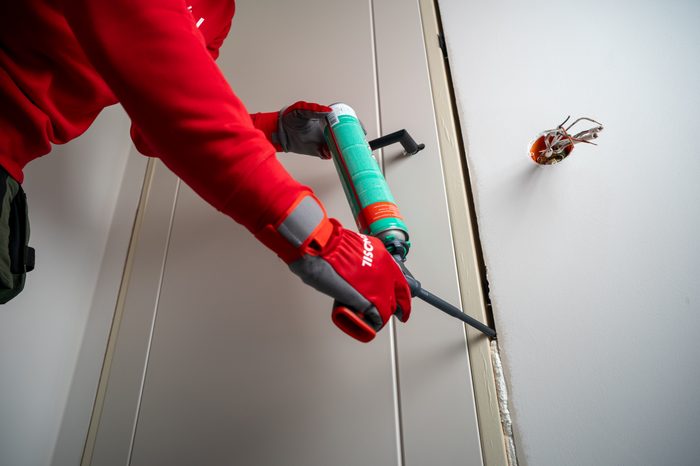
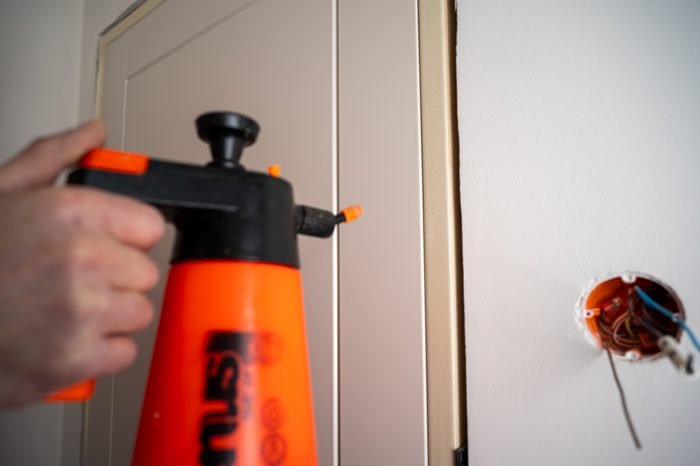
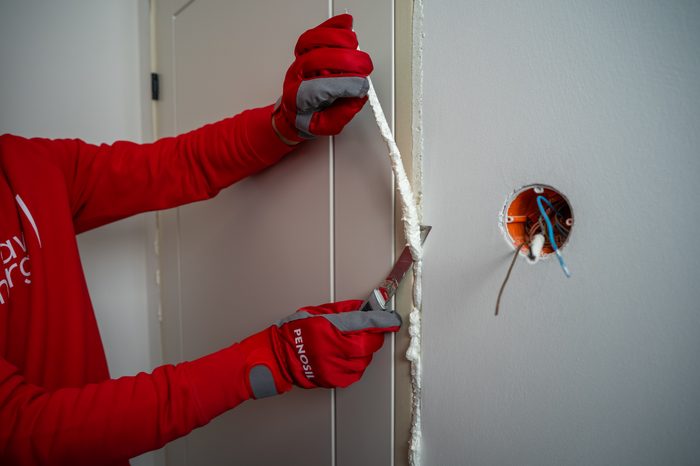
Trim carefully to protect the insulating layer
Use a sharp knife to cut away excess foam in a controlled movement, taking care not to damage the window frame, surrounding surfaces or sealing tapes. Avoid pulling or tearing the foam out of the joint. Leave the joint fully filled to the depth required by the installation detail.
“Allowing expanding foam to cure fully before trimming is essential to protecting its structure. Cutting too early or pulling at the foam can damage the joint and leave gaps that reduce its insulating performance. Carefully trimming only the excess, then protecting the exposed foam with a suitable sealing system, helps maintain the insulation and long-term performance around the window.” Ben Venables, Technical Sales & Product Manager UK & US, Wolf Group.
Protect the foam after trimming
Cured PU foam is sensitive to UV light and should not be left exposed to sunlight. Once fully cured and trimmed, protect it promptly with a suitable opaque covering or sealing system, following the product instructions and the requirements of the window installation.
For window joints, use the specified internal and external seals to provide the required protection against air leakage and weather. Correctly applied and carefully trimmed foam forms the insulating layer within that system, helping the window joint perform over the long term.