Cleanroom Silicone 342
Mould-proof alkoxy silicone
PENOSIL Cleanroom Silicone 342 is a mould proof neutral alkoxy silicone for cleanrooms and other sanitary applications. Order online now!
PENOSIL Cleanroom Silicone 342 is a high-quality neutral alkoxy silicone for sealing and filling joints in cleanrooms and other areas subjected to microorganism growth such as fungus.
VALUES
- Mould resistant
- Highest sanitary class: XS1
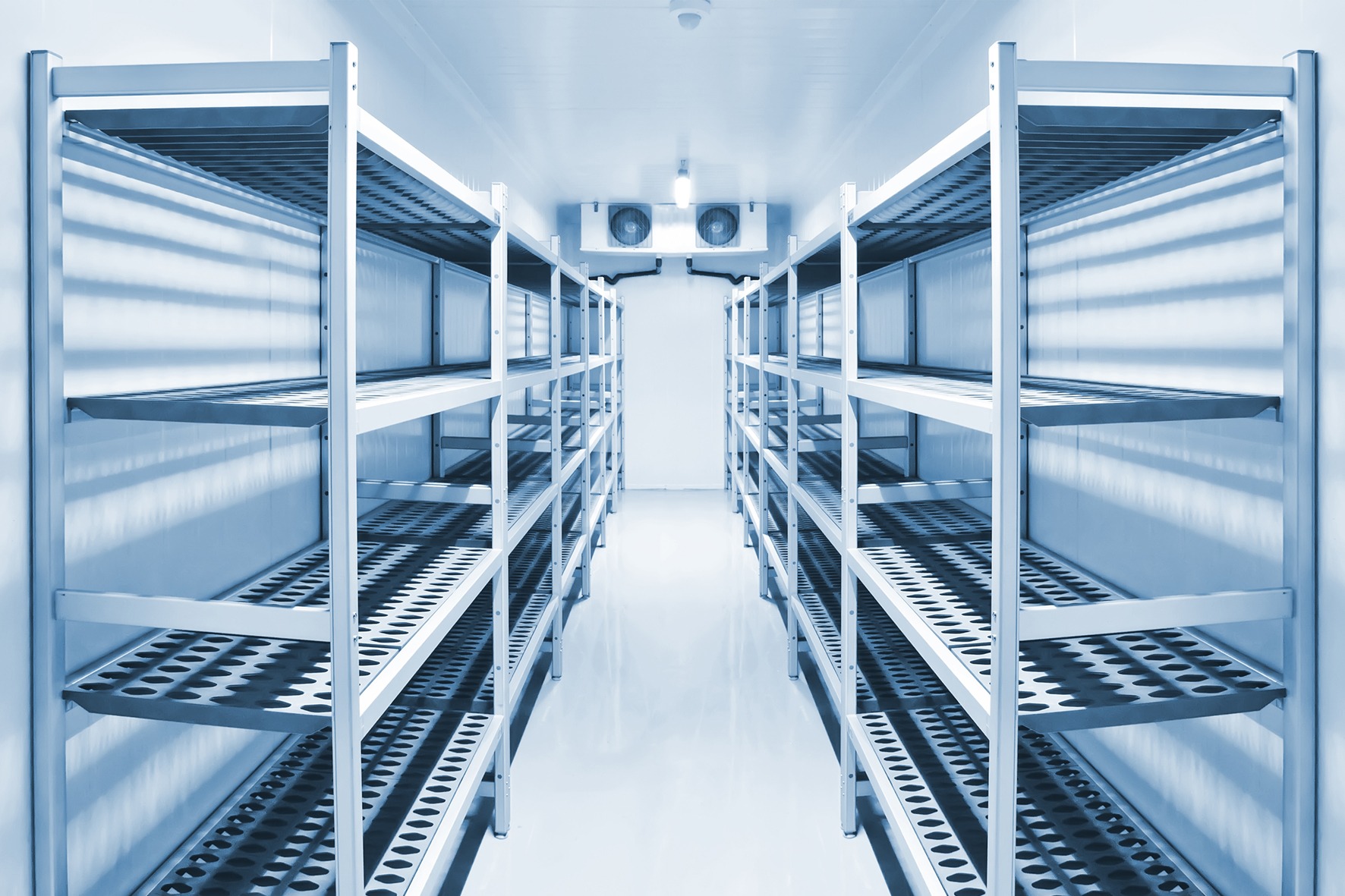
- Great for cold-storage rooms
- Permanently elastic, high movement capability (±25%)
- Low elastic modulus, perfect for vertical joints
- Non-corrosive to metals
- Excellent adhesion on a wide range of materials
- Low odour and low VOC
- For interior and exterior use
APPLICATION AREAS
- Sealing and filling joints in cold storage rooms, kitchens, operating theatres, bathrooms, laboratories and other areas subjected to microorganism growth such as fungus.
- Sealing joints in wet and humid areas.
- Sealing connecting joints between tiled floors and walls, basins, toilets, baths and shower enclosures.
ADHERES TO
- Glass
- Ceramic tiles
- Aluminium
(lacquered, anodized, painted) - Galvanised steel
- Glazed surfaces
- PVC and most plastics
- Varnished or painted wood
PACKAGE
300 ml cartridge
24 pcs per box
USAGE INSTRUCTIONS
Surfaces to be sealed must be clean, dry and free from any dust, loose particles, oil and old sealant residues. Non-porous surfaces should be cleaned with solvent and a clean, non-fluffy cotton cloth. Solvent excess should be removed with a clean cloth.
If needed, cover the adjacent surfaces with masking tape. For wide joints, use a backer rod to ensure the joints correct thickness and shape.
Cut the tip of the cartridge. Screw on the nozzle and cut an opening at a 45° angle which is slightly larger than the joint to be sealed.
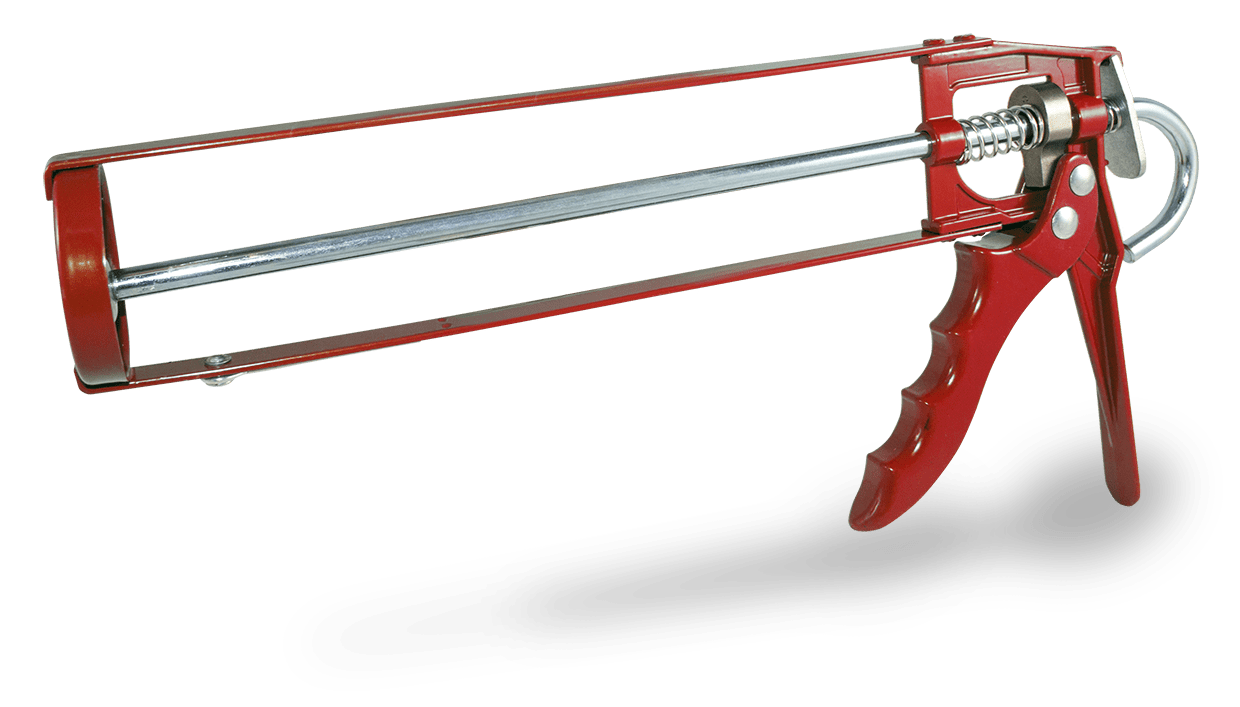
Place the cartridge onto a sealant gun. Apply the sealant by keeping an even pressure at the gun trigger and smoothly dragging the nozzle along the joint.
Remove the excess sealant and smoothen the surface with a suitable tool.
During curing process, make sure that the sealed surfaces stay clean and are not under mechanical stress.
TIPS
- Surfaces to be sealed must be clean, dry and free from any dust, loose particles, oil and old sealant residues. Non-porous surfaces should be cleaned with solvent and a clean, non-fluffy cotton cloth. Solvent excess should be removed with a clean cloth.
- If needed, cover the adjacent surfaces with masking tape. For wide joints, use a backer rod to ensure joints correct thickness and shape. Ensure sufficient ventilation at the working area.
- During curing process, make sure that sealed surfaces stay clean and are not under mechanical stress.
- Due to the wide variety of construction materials, we recommend a preliminary compatibility test.
- Uncured product can be removed with PENOSIL Multipurpose Wipes 943 or solvent. Cured product can be removed mechanically and then with a moist cloth.
- Application temperature between +5°C to +40°C.
LIMITATIONS
- Can not be applied on bitumen or on building materials which might bleed oils, plasticizers or solvents (e.g. natural rubber, chloroprene or EPDM).
- Does not adhere to polyethylene (PE), polypropylene (PP) or PTFE (Teflon®).
- Do not use at temperatures below +5°C.
- Do not use for structural glazing applications.
- Please observe the expiration date!
SAFETY INFORMATION (CLP AND REACH)
WARNING
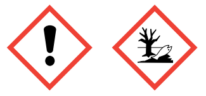
H319 – Causes serious eye irritation.
H410 – Very toxic to aquatic life with long lasting effects.
P101: If medical advice is needed, have product container or label at hand.
P102: Keep out of reach of children.
P264: Wash thoroughly after handling.
P273: Avoid release to the environment.
P280: Wear protective gloves/protective clothing/eye protection/protective footwear.
P305+P351+P338: IF IN EYES: Rinse cautiously with water for several minutes. Remove contact lenses, if present and easy to do. Continue rinsing.
P391: Collect spillage.
P501: Dispose of the contents and/or its container using the separate collection system in your municipality.
EUH208: Contains Trimethoxyvinylsilane. May produce an allergic reaction.