Our products are often invisible when the building is ready, but they are an essential part of the building process.
Buildings are one of the largest energy consumers. They account for over 40% of global energy use and 33% of global CO2 emissions.
Our products actively help to fight climate change by improving a building’s energy efficiency and its CO2 emissions.
How do we improve energy efficiency?
Our PU foams seal gaps, cracks and thermally insulate joints, thus preventingenergy losses in buildings and reducing their CO2emissions.
Penosil PU foams save over 70 timesmore energy during their lifecycle than was needed for their manufacturing process.
1kg of PU foam saves 1,000kg of CO2during its lifecycle.Bycomparison, atree can absorb around 1,000kg of CO2overits100–year lifetime.
PU foam is an excellent insulation material as it can access otherwisehard–to–reachplaces, and it has a lower thermal conductivity than mineral wool.
Correctly applied PU foam also acts as sound insulation and reduces the risk of condensation and mould.
Buildings’ airtightness helps to prevent air leakages, humidity problems and condensation, increases fire safety and minimises noise problems.
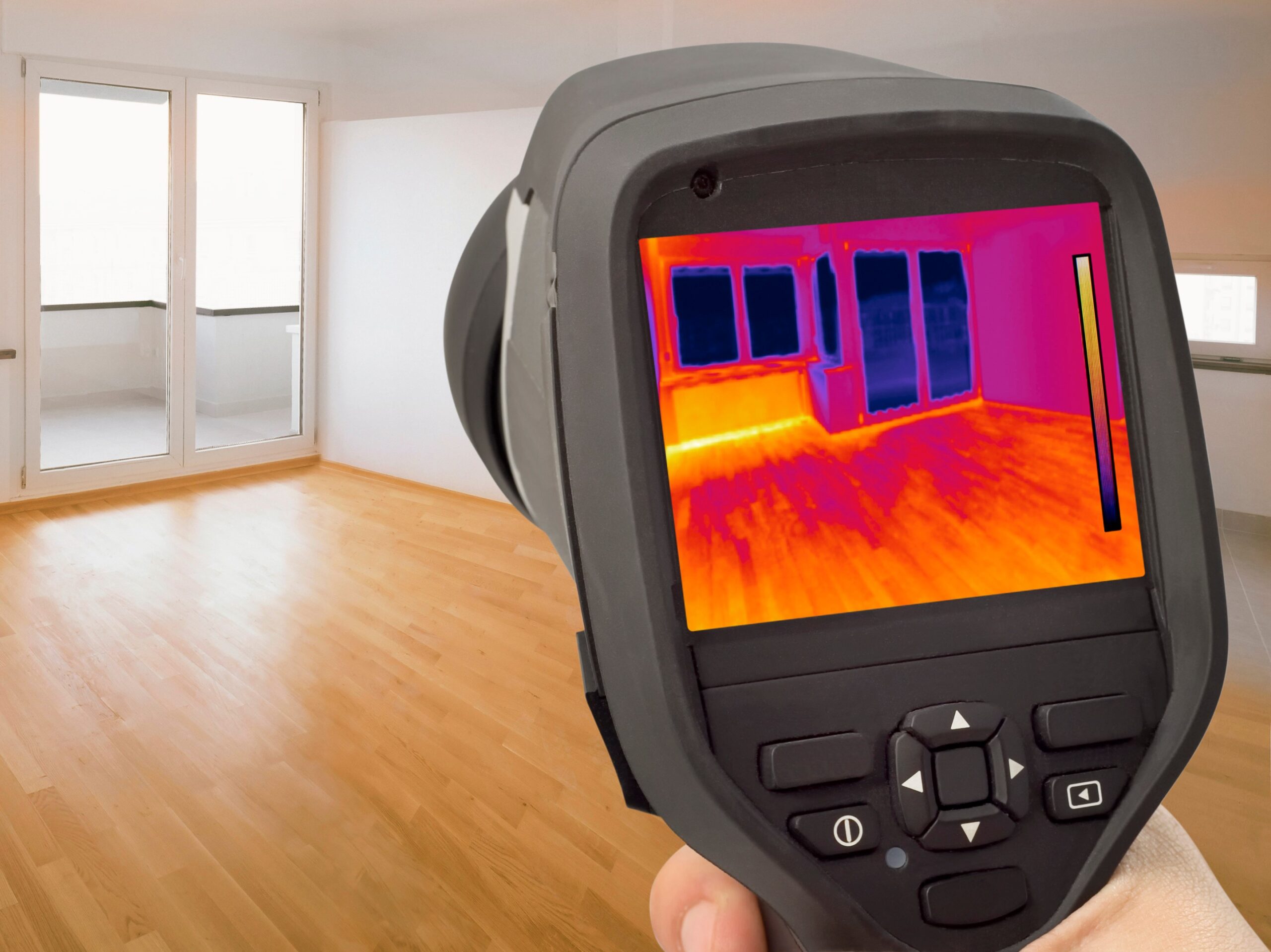
The air leakages account for about 25% to 40% of heat losses in a cold climate and 10% to 15% of heat gain in a hot climate.
Even the smallest unsealed crack in the structure can have a big impact on a building’s energy efficiency.
For example, a 1mm-wide unsealed joint in an exterior wall in wintertime can increase the wall’s heat loss by around 4.8 times more than a sealed joint.
To improve a building’s airtightness, it is crucial to use sealants to seal even the smallest crack in the structure.
If used together and in the correct order, the products in Penosil’s Energy Efficient Window Installation solution help to minimise a structure’s thermal bridges and its CO2 emissions.
What are thermal bridges?
What are thermal bridges?
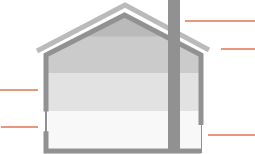
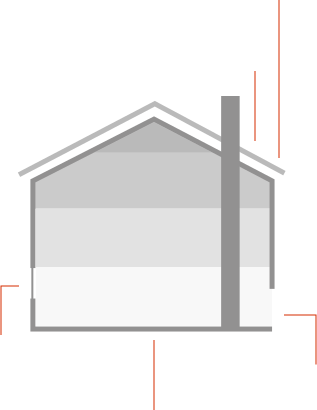
Thermal bridges are the parts of the building’s structure where thermal transmittance is locally considerably higher than for the rest of the structure.
Thermal bridges in buildings are found in:
External wall corners and window/door frames
External wall and floor, wall and roof connecting joints
Zostaniesz przekierowany na stronę należącą do Plonmar Sp.z.o.o., wyłącznego przedstawiciela marki PENOSIL w Polsce.
Wolf Group OÜ nie ponosi odpowiedzialności za informacje zamieszczone na tej stronie.
Jeśli chcesz pozostać na oficjalnej wersji strony internetowej Wolf Group OÜ, producenta produktów marki PENOSIL, wybierz opcję Global (in English) w menu.
You are being redirected to a website of GC "Plonmar Sp.z.o.o." - the exclusive representative of PENOSIL trademark in the Poland.
Wolf Group OÜ disclaims any liability for the information posted on this website.
If you want to stay on the Russian language version of the website of Wolf Group OÜ - the manufacturer of the products under PENOSIL trademark, please select Global (in English) in the menu.